Travel insurance is an indispensable companion for any journey, safeguarding you against unforeseen challenges while exploring the globe. Whether it’s a medical emergency, trip cancellation, or lost baggage, having the right travel insurance can turn a potentially disastrous situation into a manageable inconvenience. With alarming statistics showcasing the frequency of travel-related incidents, securing your peace of mind has never been more crucial.
Understanding the various types of travel insurance available and how they can protect your investments helps in making informed decisions. From comprehensive medical coverage to specialized trip cancellation plans, each option carries distinct benefits and considerations that cater to different traveler needs.
Importance of Travel Insurance
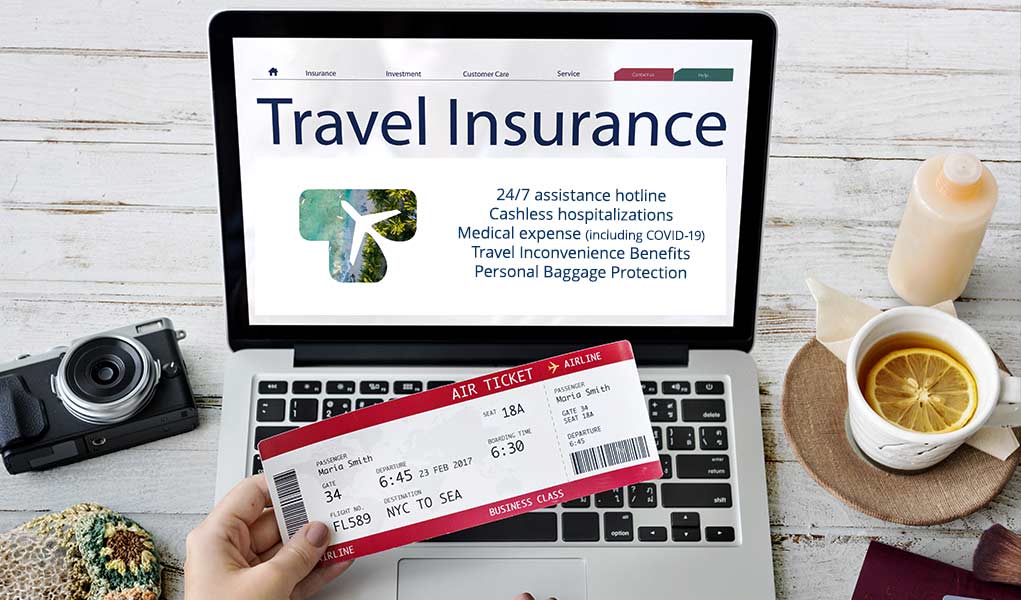
Travel insurance is an essential component of any journey, providing peace of mind and financial security in unpredictable situations. As travelers venture into new territories, they may encounter various risks that could jeopardize their plans and finances. Having travel insurance serves as a safety net, ensuring that adverse events do not lead to overwhelming expenses or significant inconveniences.
Travelers face numerous potential risks, ranging from trip cancellations and medical emergencies to lost luggage and flight delays. Travel insurance plays a crucial role in covering these unexpected events, helping individuals avoid substantial financial burdens. For instance, according to the U.S. Travel Insurance Association, around 1 in 6 travelers will face a trip disruption, and nearly 1 in 10 will require medical attention while traveling.
Coverage of Potential Risks and Losses
Travel insurance can encompass a wide array of incidents, protecting travelers from various financial setbacks. Understanding the types of coverage available can significantly enhance the travel experience and mitigate risks. Key areas typically covered by travel insurance include:
- Trip Cancellation and Interruption: In cases of unforeseen events such as illness or natural disasters, travelers can recover non-refundable costs related to their journey.
- Medical Expenses: Coverage for medical emergencies abroad is vital, as healthcare costs can be exorbitant in some countries. For example, a simple appendectomy in the U.S. can cost upwards of $20,000, while treatment abroad may also incur high fees.
- Lost or Delayed Luggage: Travel insurance can reimburse travelers for the loss or delay of personal belongings, aiding in the immediate purchase of necessary items.
- Emergency Evacuation: In serious situations requiring evacuation, insurance can cover the cost of transportation to a medical facility or back home.
Statistics indicate that travelers are not immune to incidents; approximately 40 million Americans traveled abroad in 2017, with a reported 1.5 million incidents requiring some form of intervention. This underscores the importance of having adequate travel insurance to buffer the financial impact of such occurrences. Travel insurance not only protects against the unexpected but also allows individuals to enjoy their adventures with greater confidence and security.
Types of Travel Insurance
Travel insurance is a crucial aspect of planning any trip, offering protection against unexpected events that could disrupt travel plans. Understanding the various types of travel insurance available can help travelers make informed decisions tailored to their individual needs and circumstances. Each type serves distinct purposes, providing varying levels of coverage and costs that suit different traveler profiles.
Major Types of Travel Insurance
Travel insurance can be categorized into several major types, each designed to mitigate specific risks associated with traveling. The most common types include:
- Medical Insurance: This coverage is essential for those traveling abroad, as it protects against unforeseen medical expenses. It may cover hospitalization, emergency medical evacuation, and medical treatment costs.
- Trip Cancellation Insurance: This type compensates travelers for non-refundable expenses if they need to cancel their trip due to covered reasons, such as illness, injury, or unforeseen events like natural disasters.
- Baggage Coverage: This insurance provides financial protection for lost, stolen, or damaged luggage and personal belongings during travel, ensuring that travelers can regain some financial loss they incur.
The selection of travel insurance should consider the specific needs of the traveler, the destination, and the nature of the trip. Each type of insurance offers unique benefits and costs that vary based on coverage limits, exclusions, and the insurance provider.
Comparison of Benefits and Costs
Evaluating the benefits and costs of different travel insurance types can guide travelers in selecting the most appropriate policy. Here’s a comparison:
| Insurance Type | Benefits | Average Cost | Common Exclusions |
|---|---|---|---|
| Medical Insurance | Covers emergency medical expenses and evacuation | $50 – $150 for a week | Pre-existing conditions, routine check-ups |
| Trip Cancellation Insurance | Reimburses non-refundable trip costs | 5% – 10% of total trip costs | Change of mind, cancellation for non-covered reasons |
| Baggage Coverage | Compensation for lost or damaged luggage | $10 – $25 per week | High-value items, wear and tear |
Each type of travel insurance comes with its own set of features and exclusions, making it imperative for travelers to read the policy details carefully. By understanding what is covered and what is not, travelers can avoid surprises and ensure they are adequately protected during their journeys.
How to Choose the Right Travel Insurance

Selecting the right travel insurance can significantly impact your travel experience, especially in unforeseen circumstances. Understanding the various factors involved will help ensure you are adequately protected during your journeys.
When choosing travel insurance, it’s essential to consider multiple factors to meet your specific needs. The following checklist Artikels crucial aspects to evaluate before making a decision.
Factors to Consider When Selecting Travel Insurance
Before finalizing any travel insurance policy, it’s important to thoroughly assess your needs. The following checklist provides key points to consider:
- Destination: Different regions may have varying risks and health care standards, impacting the insurance requirements.
- Trip Duration: Ensure the policy covers the entire duration of your trip, especially for long-term travel.
- Activities Covered: Verify whether the policy includes coverage for adventure sports or high-risk activities, if applicable.
- Medical Coverage: Look for sufficient medical coverage, including emergency evacuations and hospital stays.
- Pre-existing Conditions: Check if the policy covers any pre-existing medical conditions you may have.
- Cancellation Policy: Understand the terms regarding trip cancellations and the circumstances under which you can claim.
- Customer Reviews: Research experiences shared by previous customers to gauge reliability and service quality.
Common Pitfalls to Avoid When Purchasing Travel Insurance
Navigating the travel insurance market can be tricky. Being aware of common pitfalls can prevent you from making costly mistakes.
- Skipping the Fine Print: Failing to read the policy details can lead to misunderstandings about coverage limits and exclusions.
- Insufficient Coverage: Opting for the cheapest policy can result in inadequate protection against potential risks.
- Assuming All Policies Are the Same: Not all travel insurance policies offer identical benefits, so thorough comparisons are necessary.
- Neglecting to Compare: Avoid settling for the first policy you find; comparing multiple options can yield better rates and coverage.
- Ignoring Emergency Assistance: Some policies lack adequate 24/7 emergency assistance, which is crucial when traveling abroad.
Comparison of Popular Travel Insurance Providers
When evaluating travel insurance, comparing different providers can be beneficial in identifying the best options. The following chart compares popular travel insurance providers based on coverage options and customer feedback.
| Provider | Coverage Options | Customer Reviews |
|---|---|---|
| InsureMyTrip | Trip Cancellation, Medical Emergency, Lost Luggage | Highly Rated for Customer Service |
| Travel Guard | Comprehensive Coverage, 24/7 Assistance | Positive Feedback on Claims Processing |
| World Nomads | Adventure Sports, Emergency Medical | Great for Backpackers and Adventurers |
| Allianz | Trip Interruption, Medical, Travel Delay | Well-Known Brand with Solid Coverage |
Choosing the right travel insurance is a vital step in safeguarding your travel investment and ensuring peace of mind during your adventures.
Travel Insurance Claims Process

Filing a travel insurance claim is a crucial aspect of ensuring that you receive the benefits you’re entitled to when faced with unforeseen circumstances during your travels. Understanding the claims process can help streamline your experience and alleviate some of the stress that accompanies such events. Here’s a breakdown of the essential steps involved in filing a claim, along with tips for successful documentation and insights into common pitfalls to avoid.
Steps to File a Travel Insurance Claim
Filing a travel insurance claim typically involves several key steps that need to be followed to ensure a smooth process. It’s vital to act promptly and accurately to avoid delays or denials.
- Contact Your Insurance Provider: As soon as an incident occurs, reach out to your insurance company to report the claim. Most insurers have a 24/7 claims hotline.
- Gather Required Documentation: Collect all necessary documents related to the claim, including receipts, medical reports, and police reports, if applicable.
- Complete the Claim Form: Fill out the claim form provided by your insurer. Ensure that all information is accurate and matches the supporting documents.
- Submit Your Claim: Send your completed claim form along with the supporting documents to your insurance provider, following their submission guidelines.
- Track Your Claim Status: After submission, keep in regular contact with your insurer to check on the status of your claim and to provide any additional information if requested.
Documenting Incidents for a Successful Claim
Proper documentation is fundamental in substantiating your claim. The more thorough and organized your documentation, the better your chances of a successful outcome. Here are some tips to effectively document incidents:
- Keep all original receipts and invoices related to expenses incurred due to the incident.
- Take detailed notes about the incident, including dates, times, and locations, to establish a clear timeline.
- Gather witness statements if applicable, as they can provide additional support for your claim.
- Photograph any damages or injuries; visual evidence can significantly strengthen your case.
- Request copies of relevant reports, such as medical records or police reports, as they serve as essential documentation.
Common Reasons for Claim Denial
Understanding the reasons claims may be denied is crucial in avoiding potential issues. Here are several common pitfalls that can lead to claim denial:
- Lack of Documentation: Failing to provide adequate proof of expenses or incidents can result in a denial. Ensure all required documents are submitted.
- Late Submission: Claims must be filed within a specific timeframe. Delaying your claim can jeopardize your benefits.
- Ineligible Incidents: Familiarize yourself with your policy’s coverage details. Incidents not covered by your policy will lead to automatic denial.
- Pre-Existing Conditions: Many travel insurance policies exclude coverage for pre-existing medical conditions unless specifically stated. Disclose any relevant medical history to your insurer.
- Insufficient Coverage: Ensure your policy covers the incidents you may encounter during your travels; underestimating your needs can lead to insufficient compensation.
Key Questions Answered
What does travel insurance typically cover?
Travel insurance generally covers medical emergencies, trip cancellations, lost baggage, and travel delays, but coverage varies by policy.
Is travel insurance necessary for domestic trips?
While not mandatory, travel insurance can still provide financial protection against unexpected events during domestic trips.
Can I buy travel insurance after booking my trip?
Yes, you can purchase travel insurance after booking, but it’s advisable to do so soon after making your reservations to maximize coverage benefits.
How do I know if my travel insurance policy is comprehensive?
Review the policy details, including coverage limits and exclusions, to determine if it adequately meets your travel needs.
What should I do if my claim is denied?
If a claim is denied, review the reasons provided, gather any necessary documentation, and consider appealing the decision with additional evidence.
Understanding health insurance is crucial for anyone looking to safeguard their financial future. By investing in the right policies, individuals can access essential medical care without the burden of exorbitant costs. Ensuring you have comprehensive coverage can lead to peace of mind and better health outcomes.
If you are a Spanish speaker seeking insurance options, exploring freeway insurance español can provide valuable insights. This resource offers guidance on affordable coverage tailored to your needs, ensuring you understand your options in your preferred language. Making informed decisions about insurance is easier when language barriers are removed.